
Stale narzędziowe do pracy na zimno - charakterystyka i gatunki
Stal narzędziowa stopowa do pracy na zimno, dzięki zawartym w składzie chemicznym pierwiastkom (Cr - chrom, W - wolfram, Mo - molibden, V - vanad) posiada dużą hartowność, a także zwiększa swoją odporność na skręcanie, wyginanie i ścieranie. W szczególności gatunki stali zawierające ok. 2% węgla (C), 12% chromu (Cr), charakteryzują się bardzo wysoką odpornością na ścieranie. Stal o zawartości węgla 0,40 - 0,55 % używana jest do produkcji narzędzi pracujących przy obciążeniach dynamicznych ,stal o zawartości węgla 0,75-2,10 % stosowana jest do wyrobu niektórych narzędzi skrawających ,do produkcji walców itp.
Stopowe stale do pracy na zimno stanowią najbardziej liczną i zróżnicowaną grupę stali narzędziowych, obejmującą łącznie kilkaset gatunków używanych i produkowanych w różnych krajach. Zależnie od typowego zastosowania zawartość węgla zmienia się w nich w wyjątkowo szerokich granicach, wynosi ona mianowicie w stalach na narzędzia:
— o szczególnej dużej odporności na ścieranie 1,3÷2,5% C
— skrawające tnące 1,0÷1,3% C
— do obróbki plastycznej na zimno 0,8÷1,1% C
— odporne na uderzenia 0,4÷06% C
— do obróbki tworzyw sztucznych 0,1÷0,4%
Ze względu na małą hartowność stale narzędziowe węglowe mogą być używane przy pracy na zimno tylko na narzędzia o niewielkich przekrojach, pracujące przy małych obciążeniach. Wprowadzenie pierwiastków stopowych pozwala znacznie rozszerzyć zakres stosowania stali używanych na narzędzia do pracy na zimno (nienagrzewające się w czasie pracy powyżej 200oC); poprawiają się wówczas własności użytkowe, typowe dla tej grupy stali: odporność na ścieranie, ciągliwość i udarność, odporność na deformacje i paczenie się, hartowność. Głównymi pierwiastkami decydującymi o własnościach znacznej większości stali tej grupy są węgiel i chrom, których zawartość zmienia się w bardzo szerokich granicach. Dodatki molibdenu i wolframu mają również istotne znaczenie, chociaż ich szczególnie cennego oddziaływania (zwiększanie wytrzymałości na gorąco) nie wykorzystuje się w ogóle w tej grupie; opóźniając jednak procesy odpuszczania, pierwiastki te pozwalają na stosowanie wyższych temperatur odpuszczania i zmniejszenie naprężenia. Wreszcie do wielu gatunków wprowadza się wanad, a do niektórych także mangan, nikiel i krzem w celu uzyskania drobnoziarnistości, podniesienia hartowności, ciągliwości lub odporności na odpuszczanie.
Proces rozwoju stali stopowych do pracy na zimno, optymalizacji ich składu chemicznego i zastosowań nie został jeszcze zakończony, ich asortyment w poszczególnych krajach wykazuje dość znaczne różnice. Są one szczególnie widoczne, gdy porówna się stale produkowane w krajach europejskich i w USA, gdzie przejawia się tendencja szerszego stosowania gatunków o większej zawartości pierwiastków stopowych (duża liczba stali o zawartości ok. 5 i 12%, Cr, a także o bardzo dużym dodatku wanadu: 4-5% V). Obserwuje się również tendencje eliminowania z nich niklu oraz zastępowania wolframu molibdenem w celu zmniejszenia kosztów produkcji stali, a także zwiększenia hartowności. Poza tradycyjnymi gatunkami, ujmowanymi powszechnie w normach, na narzędzia pracujące na zimno stosuje się niekiedy i inne gatunki, jak np. stale szybkotnące, niskowęglowe stale martenzytyczne, a nawet stale odporne na korozję.
Stale narzędziowe stopowe do pracy na zimno służą do wyrobu narzędzi, które mogą wprawdzie nagrzewać się w czasie pracy, lecz obrabiają materiał o temperaturze otoczenia, Są to: gwintowniki, narzynki, rozwiertaki, piłki i inne lekko się tylko nagrzewające w czasie pracy oraz narzędzia do tłoczenia na zimno, dłuta, młotki pneumatyczne itp., jak również matryce do pracy na zimno, sprawdziany i narzędzia pomiarowe. Choć nie stosuje się oficjalnego dalszego podziału, można wśród nich wyodrębnić 4 następujące grupy:
I — gatunki: NCV1, NW1 i inne
II — gatunki: NC4, NC6, NC4S, NCMS, NWC, NMV
III — gatunki: NC10, NC11 itd.
IV — gatunki: NZ2, NZ3, NPW etc.
Pierwsza grupa obejmuje gatunki o stosunkowo małej hartowności, przeznaczone do hartowania w wodzie, używane na narzędzia skrawające z małymi szybkościami.
Druga grupa obejmuje gatunki stali o znacznie większej hartowności, przeznaczone do hartowania w oleju. Wykonuje się z nich również narzędzia skrawające (z ograniczoną szybkością skrawania), a także, ze względu na małe zmiany wymiarów po hartowaniu, inne narzędzia, jak wykrojniki, matryce i sprawdziany.
Do trzeciej grupy zaliczono stale o dużej zawartości węgla i chromu. Stale te mają bardzo dużą hartowność i odporność na ścieranie. Stosuje się je na wykrojniki, matryce do pracy na zimno, sprawdziany itp.
Stale czwartej grupy mają mniejszą zawartość węgla niż stale w trzech poprzednich grupach. Są to stale wykazujące odporność na wielokrotnie powtarzające się wstrząsy i uderzenia. Stosowane są na narzędzia do młotków pneumatycznych (dłuta, nitowniki), noże na nożyce, przebijaki itp. Używane są również na narzędzia do pracy na gorąco.
Stale narzędziowe do pracy na zimno, ze względu na swe przeznaczenie nie są przewidziane do pracy w bardziej agresywnych środowiskach korozyjnych. Należy wziąć pod uwagę, że w czasie transportu i składowania wyrobów z tych stali mogą być one wystawione na działanie atmosfery o różnym stopniu wilgotności z ewentualnymi domieszkami gazów przemysłowych takich jak SO2, H2S, CO2 itp. Oprócz tego samo narzędzie może być w częstym kontakcie ze środowiskiem emulsji olejowo-wodnych stanowiących duże zagrożenie korozyjne. Skład chemiczny tych stali dobrany jest przede wszystkim pod kątem zapewnienia odpowiednich własności technologicznych, dlatego dodane do nich niewielkie ilości składników stopowych nie zapewniają zwiększonej odporności na wpływ korozji atmosferycznej. Jedynie stale narzędziowe zawierające 11—13 % Cr (NC10, NC11, NC11LV i NCWV) mogą wykazywać dobrą odporność na działanie korozji w w/w środowiskach, tym większą, im lepszy będzie stan powierzchni danego narzędzia. Narzędzie w stanie polerowanym może być stosowane bez specjalnych zabezpieczeń korozyjnych. Między poszczególnymi gatunkami stalli narzędziowych, zawierających maksimum 1,6% Cr, mogą występować pewne nieznaczne różnice w odporności na działanie korozji atmosferycznej, wywołane odmiennym składem chemicznym. Różnice te są jednak tak niewielkie, że nie pozwalają na wyróżnienie żadnego z tych gatunków i zaliczenie go do stali o zwiększonej odporności na korozję.
Stal narzędziowa do pracy na zimno ze względu na składy chemiczne poszczególnych gatunków, należy do materiałów o bardzo ograniczonej spawalności. Ich wzajemne łączenie z innymi rodzajami stali może znajdować zastosowanie tylko w wyjątkowych przypadkach, np. przy naprawach. W razie spawania konieczne jest jednak stosowanie specjalnej technologii, przy czym dobór metody spawania i kształtu połączenia, spoiw oraz zabiegów cieplnych przed i po spawaniu ustalić należy w zależności od gatunku materiału łączonego, jego grubości, wymaganych własności połączenia oraz warunków jego pracy. Spoina, zwłaszcza po poddaniu połączenia spawanego ulepszaniu cieplnemu, będzie miała odmienne własności od materiału łączonego.
Powierzchnie narzędzi narażone na ścieranie w czasie eksploatacji można natomiast napawać, przy czym napawania można stosować zarówno przy produkcji narzędzi nowych, jak też i przy regeneracji narzędzi zużytych. Metoda napawania, sposób przygotowania powierzchni do napawania, rodzaj spoiwa oraz zabiegi cieplne zarówno przed, jak i w czasie lub po napawaniu należy ustalić w zależności od gatunku materiału napawanego oraz jego stanu, charakteru pracy narzędzia oraz usytuowania i ukształtowania napom. Ponieważ napoiny mają odmienny skład chemiczny od napawanego materiału, należy wziąć pod uwagę przy ewentualnym poddawaniu obróbce cieplnej napawanych narządzi. Przede wszystkim przy wyborze temperatury zabiegów cieplnych należy przewidzieć jej wpływ na własności napawanego materiału.
Do łączenia poszczególnych gatunków stali można stosować zgrzewanie elektryczne oporowe lub tarciowe. Konieczne jest jednak dobranie odpowiednich warunków zgrzewania oraz zabiegów cieplnych przed i po zgrzewaniu. Do łączenia prętów stosuje się metody zgrzewania oporowego iskrowego lub tarciowego. Połączenia zgrzewane mają własności zbliżone do własności łączonych materiałów I mogą być poddawane takim samym zabiegom cieplnym, jakim poddaje się materiały łączone. Istnieje również możliwość wzajemnego łączenia z sobą różnych gatunków stali, a zwłaszcza stali narzędziowych do pracy na zimno ze stalami węglowymi, co stosuje się głównie przy produkcji narzędzi trzpieniowych, np. wierteł, rozwiertaków, gwintowników, frezów itp., w których część chwytowa wykonana jest ze stali węglowej, a część robocza ze stali narzędziowej.
Stale, w których zawartość chromu nie przekracza 1,5%, można ciąć metodą acetylenowo-tlenową lub plazmową. Natomiast stale o większej zawartości chromu można ciąć tylko metodą plazmową. Przed przystąpieniem do cięcia należy części wstępnie podgrzewać, przy czym wysokość temperatury zależy od gatunku ciętego materiału oraz jego grubości.
W oznaczeniu gatunku litera N oznacza stal do pracy na zimno, na drugim miejscu ( tak jak w przypadku stali do pracy na gorąco ) jest litera lub grupa liter oznaczających składnik stopu lub grupę składników:
M - mangan
S - Krzem
C - Chrom
N - Nikiel
L - Molibden
V - Wanad
W - Wolfram
K - Kobalt
P - Nikiel+Chrom+Wolfram
Z - Wolfram+Wanad+Krzem+Chrom
B - Bor
Trzeci człon jest to liczba (na środku lub na końcu oznaczenia gatunku) która klasyfikuje stal pod względem różnicy w ilości
dodatków stopowych i węgla, lub jak w przypadku stali o takich samych dodatkach stopowych, rozróżnia te gatunki np NC6-NC10, NZ2-NZ3.
Np znak stali NPW - oznacza stal narzędziową do pracy na zimno zawierającą chrom, nikiel, wanad i wolfram.
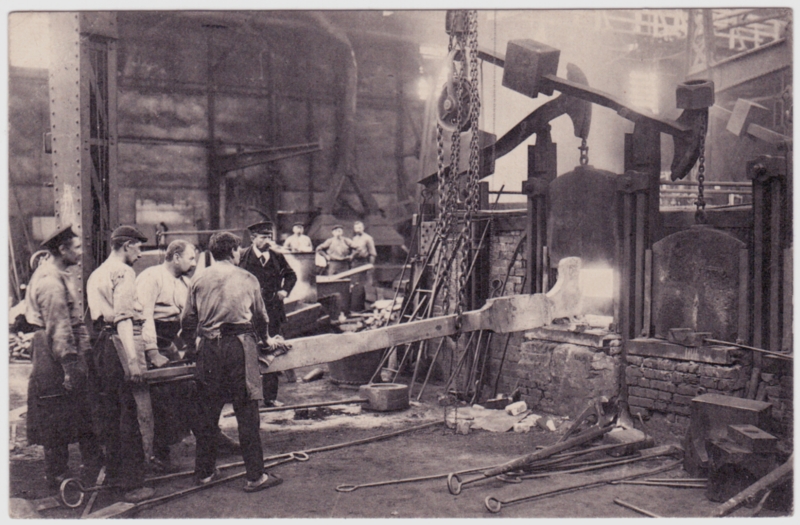 Stale do pracy na zimno według PN
NC6 - stal chromowo-wanadowa
NPW - stal niklowo-chromowo-wolframowo-wanadowa
NCMS - stal chromowo manganowo-krzemowa
NWC - wolframowo-chromowo-manganowa
NZ3 - stal wolframowo-chromowo-krzemowo-wanadowa
NMV - stal manganowow-wanadowa
NC11LV - stal chromowo-molibdenowo-wanadowa
Pozostałe stale narzędziowe
narzędziowa wysokostopowa szybkotnąca
narzędziowa węglowa
narzędziowa stopowa do pracy na gorąco
narzędziowa stopowa do pracy na zimno



